Investigating the Environmental Consequences of Pallet Disposal: An Eco-Friendly Option
Pallet liquidation signifies a growing trend in sustainability, highlighting the significance of reuse and recycling. This approach not only reduces landfill waste but also supports local economic development. Exploring its environmental consequences uncovers an intricate relationship between waste reduction and purchasing patterns. As businesses and communities embrace this model, concerns emerge regarding its lasting sustainability and effect. What implications does this hold for the advancement of green initiatives?
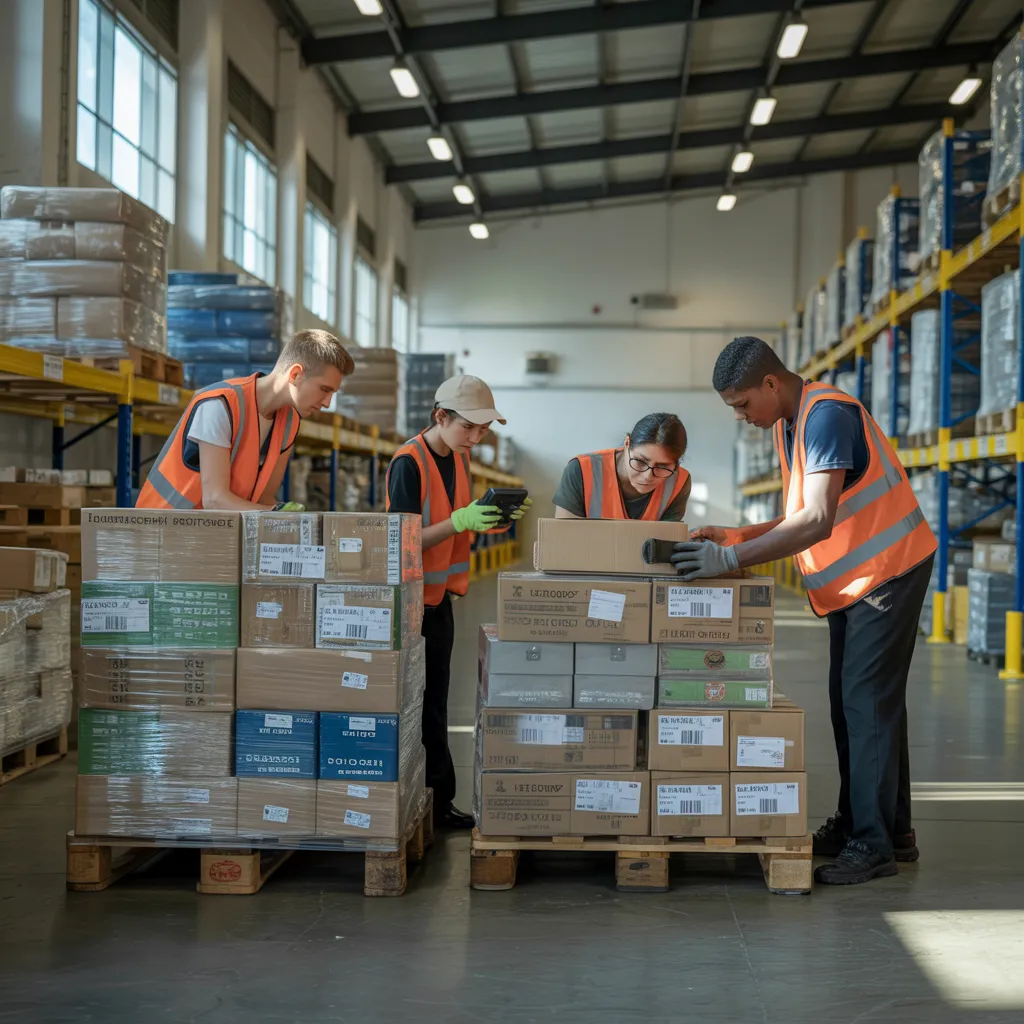
What Is Pallet Liquidation and How Does It Work?
Pallet liquidation describes the process of selling excess or surplus inventory, often in bulk, typically via pallets. This method is widely used by wholesalers, manufacturers, and retailers who must clear out discontinued or unsold stock. The goods are usually packaged on pallets, which simplifies handling and transportation.
Within the liquidation process, companies may sell these pallets to liquidators or directly to consumers at discounted prices. Liquidators often sort, inspect, and sometimes refurbish the items before reselling them to various markets, encompassing bargain shops or web-based platforms. Purchasers can obtain a variety of goods, from tech devices to apparel, enabling cost savings for both shoppers and companies. This efficient approach not only assists in stock management but also creates opportunities for discounted purchasing, making it a beneficial option for both vendors and customers.
Environmental Benefits of Pallet Liquidation
While a great deal of attention is given to the monetary gains of liquidating pallets, its environmental benefits are equally noteworthy. Pallet liquidation contributes to sustainability by promoting the reuse and recycling of materials. This process reduces the demand for new resources, thus helping to preserve forests and reduce energy usage linked to the production of new pallets.
Additionally, it minimizes landfill waste, as a significant number of pallets that would otherwise be thrown away are repurposed or refurbished. This approach not only prolongs the lifespan of the pallets but also minimizes the environmental impact resulting from waste management.
In addition, pallet liquidation plays a role in decreasing carbon emissions. By decreasing the need for new pallet production and transportation, the overall greenhouse gas output is diminished. In the end, pallet liquidation functions as a viable solution for companies seeking to align their operations with sustainable practices, making it an integral component of a eco-conscious supply chain.
Minimizing Waste Through Pallet Liquidation
Pallet liquidation plays a critical part in minimizing waste by diverting excess inventory from landfills. This practice not only gives unused products new life but also benefits local businesses that can take advantage of the access to discounted merchandise. By fostering a circular economy, pallet liquidation contributes to more sustainable consumption practices.
Minimizing Landfill Waste
A significant amount of the waste found in landfills can be traced back to abandoned consumer items, making practical waste management solutions critical. Pallet liquidation acts as a preventative strategy to mitigating this issue. By redistributing surplus inventory and unsold products, businesses can lengthen the lifespan of these items, substantially minimizing the amount that is deposited into landfills. This approach not only reduces the strain on waste handling infrastructure but also encourages a more circular economic model. Organizations utilizing pallet liquidation contribute to sustainability by identifying fresh markets for their surplus goods, thereby reducing waste and preserving valuable resources. Ultimately, this method fosters an environmentally responsible approach to inventory management while fulfilling the essential requirement for successful waste reduction.
Repurposing Dormant Stock
Smart waste diversion approaches not only emphasize minimizing landfill contributions but also on innovatively repurposing excess inventory. Pallet liquidation provides an exceptional avenue to revitalize surplus merchandise that might otherwise end up as waste. Companies can convert unsold merchandise into useful assets, such as contributing products to charitable organizations or repackaging them for redistribution. This method not only lessens environmental impact but also promotes inventiveness in product application. To illustrate, leftover clothing might be repurposed into reusable textile items, while excess electronic devices can be reconditioned. By employing pallet liquidation, organizations can successfully oversee excess inventory, cut down on waste, and champion sustainability, ultimately fostering a circular economy that embraces resourcefulness and environmental accountability.
Backing Local Businesses
Surplus inventory liquidation plays an essential role in helping local businesses thrive while simultaneously reducing waste. By facilitating the redistribution of excess goods, surplus pallet liquidation provides smaller enterprises access to cost-effective goods that might otherwise remain unsold. This approach not only supports these businesses in growing but also nurtures a community spirit, as neighborhood retailers can provide distinctive products at affordable rates. Furthermore, sourcing from liquidation sales reduces the environmental footprint associated with manufacturing new goods, thereby minimizing resource consumption and landfill waste. The system supports a circular economic model, where items are recirculated and repurposed, advancing eco-friendly initiatives. Ultimately, inventory liquidation functions as an essential tool for economic growth and environmental stewardship throughout regional markets.
Cost Reductions and Profit Possibilities From Pallet Liquidation
Pallet liquidation delivers considerable financial advantages for businesses by enhancing profit margins and lowering inventory overhead. Companies can turn surplus inventory into cash, thus enhancing financial liquidity. This method not only boosts profitability but also simplifies operations by eliminating the strain of overstocked goods.
Maximizing Profit Margins
Accessing opportunities in pallet liquidation can greatly enhance profit margins for businesses. By obtaining excess inventory at lower prices, firms can benefit from considerable cost efficiencies. This approach not only reduces operational costs but also enables competitive resale pricing, drawing in a wider range of customers. Additionally, businesses can diversify their product offerings by sourcing different types of pallets, thereby tapping into various market segments. The opportunity to swiftly process inventory via liquidation avenues helps companies preserve cash flow, minimizing financial burden. Moreover, partnerships with liquidation companies can streamline operations, providing access to valuable resources and expertise. Ultimately, strategically utilizing pallet liquidation can result in higher revenue and enhanced profit margins.
Cutting Inventory Costs
Companies can significantly lower inventory expenses via strategic participation in liquidation procedures. By offloading excess or obsolete stock in bulk, organizations can swiftly turn dormant stock into revenue, reducing storage costs tied to unsold merchandise. Liquidation not only optimizes inventory control but also lessens the threats of markdowns and stock obsolescence. Additionally, partnering with liquidation firms can provide access to wider markets, permitting organizations to engage with consumers who appreciate discounted products. This approach opens avenues for additional revenue, enhancing financial flexibility. In the end, successful pallet liquidation offers a twofold benefit: it lowers inventory expenses while supporting sustainability through the ethical reallocation of products, serving the interests of both the company and the environment.
The Role of Recycling in Pallet Liquidation
Recycling holds a critical place in the pallet reclamation process, converting unused wooden pallets into useful materials. This approach not only reduces waste but also supports a sustainable economy, where resources are repurposed rather than thrown away. Recycled pallets can be refurbished for continued use in shipping and storage, considerably increasing their longevity.
Additionally, the repurposing process can encompass breaking down pallets into base components, which can then be utilized for creating new products, such as biofuel, furniture, or mulch. This lowers the need for new timber, preserving forests and reducing the carbon footprint connected to processing and logging.
Businesses engaging in pallet liquidation often find that recycling enhances their sustainability profile, appealing to environmentally conscious consumers. Ultimately, recycling acts as an essential part of the pallet liquidation process, fostering resource conservation and environmental stewardship while providing economic benefits.
How to Apply Sustainable Pallet Liquidation Methods?
Implementing eco-friendly pallet liquidation procedures requires a methodical approach that champions environmental responsibility. Firms must first review their present pallet inventory and identify opportunities for repurposing, restoration, or recycling. Forming partnerships with community recycling centers or networks can streamline the responsible disposal of compromised pallets, minimizing waste sent to landfills.
Furthermore, organizations need to develop a structured process for tracking pallet condition and usage, enabling proactive management and reducing waste. Educating staff on sustainable practices and the value of pallet upkeep can further enhance longevity.
Additionally, embracing a closed-loop approach can establish that pallets are recovered and recycled within the supply chain, fostering eco-friendly economic principles. Ultimately, companies should communicate their environmental objectives to key parties, nurturing a culture of sustainability awareness. By taking these steps, organizations can significantly reduce the ecological footprint associated with pallet disposal while cultivating a more sustainable operational model.
Upcoming Trends in Sustainable Pallet Management
A growing emphasis on sustainability is shaping the future of pallet management, with new methods arising to respond to ecological considerations. As businesses seek to minimize their ecological footprint, the adoption of eco-friendly materials for pallets is on the rise. Biodegradable and recyclable materials are becoming more common, reducing waste and promoting a circular economy.
Moreover, breakthroughs in technology are facilitating more effective monitoring and oversight of pallets, helping companies to enhance their utilization and lengthen the lifecycle of each pallet. Online platforms are increasingly utilized to streamline the pallet rental and disposal processes, enhancing transparency and accountability.
Additionally, joint efforts among involved parties—manufacturers, logistics providers, and retailers—is promoting mutual commitment to pallet environmental goals. This unified strategy not only optimizes resource management but also stimulates new ideas. In summary, the direction of pallet practices is set to become increasingly sustainable, driven by technology, collaboration, and a commitment to environmental stewardship.
Frequently Asked Questions
What Kinds of Products Can Be Found in Pallet Liquidation?
Pallet liquidation generally encompasses a wide variety of products such as electronics, home goods, clothing, and furniture. Retailers commonly sell off excess inventory, seasonal items, or customer returns, resulting in mixed pallets. Such pallets can include factory-fresh goods, restored items, or lightly damaged merchandise. The variety allows purchasers to find significant deals, appealing to both resellers and consumers looking for cost-effective options. The uncertainty of the contents brings a sense of thrill to the liquidation experience.
How Do Pallet Liquidation Practices Affect Local Economies?
Pallet liquidation has a positive effect on local communities by supplying budget-friendly goods to buyers and opening up commercial opportunities for resale entrepreneurs. It enables small businesses to flourish by acquiring overstock merchandise at lower costs, which can subsequently be resold for a gain. Moreover, the procedure promotes the creation of jobs in logistics and retail sectors, as more people engage in the buying, sorting, and selling of liquidation products, thereby stimulating economic activity within the community.
Are There Rules and Regulations That Oversee Pallet Liquidation Practices?
Yes, guidelines overseeing pallet liquidation procedures have been established, changing by area. These regulations commonly emphasize safety protocols, waste handling, and environmental preservation. Regional authorities may enforce rules to guarantee that pallet discarding and repurposing procedures do not negatively impact the ecosystem. Additionally, businesses participating in pallet liquidation must comply with industry standards to encourage long-term viability and responsible conduct, thus influencing how they function within the market and their impact on community economies.
Can Pallet Liquidation Be Used for Non-Retail Items?
Pallet liquidation can absolutely be applied to non-retail items. Various industries, including manufacturing and logistics, often liquidate excess inventory, equipment, or materials. This process allows businesses to recover costs by selling these items in bulk, often at discounted prices. Non-retail items such as machinery, office supplies, or industrial components can find new uses through liquidation, promoting resource efficiency and reducing waste. Therefore, pallet liquidation stands as a feasible alternative beyond standard retail environments.
What Risks Come With Pallet Liquidation?
The risks associated with pallet consult article liquidation include possible monetary setbacks from items that remain unsold, quality discrepancies in products, and the possibility of damaged goods. Moreover, purchasers might struggle to accurately assess the actual worth of the pallets, causing unanticipated financial burdens. Legal complications may also arise if goods are falsely described or include dangerous substances. Overall, careful consideration and due diligence are essential to mitigate these risks effectively.